What the Most Profitable HVAC Shops Have in Common
What the Most Profitable HVAC Shops Have in Common
You’ve probably noticed them around town — the HVAC shops with the cleanest trucks, the biggest crews, and the kind of reputation that keeps their schedule packed months out. They’re not just busy. They’re profitable. And if you’ve ever wondered what separates a six-figure shop from a seven-figure one, it’s not always the flashiest marketing or the fanciest equipment.
The most profitable HVAC businesses share a handful of traits that have nothing to do with luck and everything to do with smart systems. They don’t work harder than you. They just work differently. And the good news? Most of what they do can be replicated in your shop, no matter how many trucks you run.
They Don’t Miss Calls — Ever
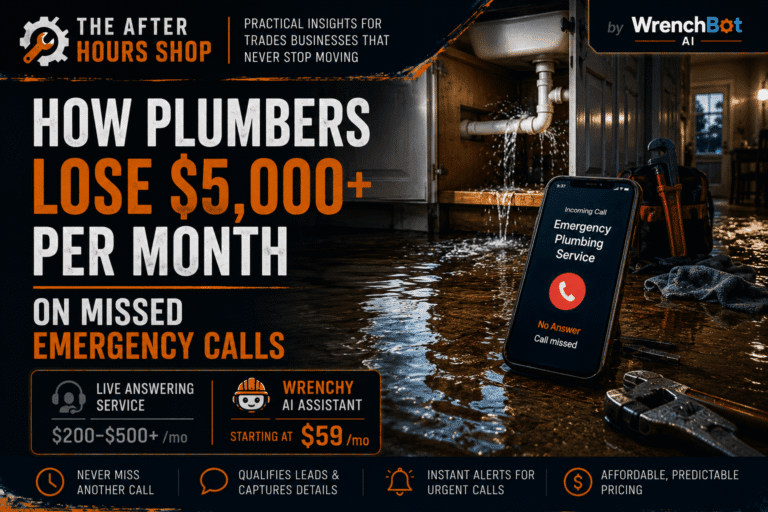
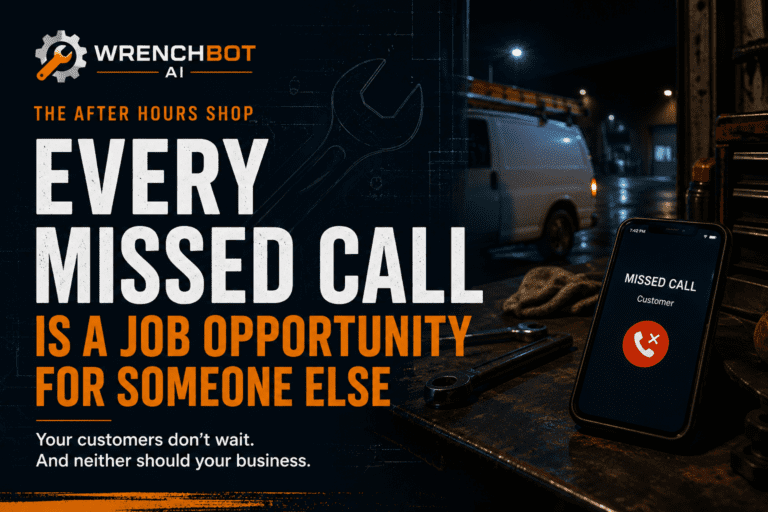
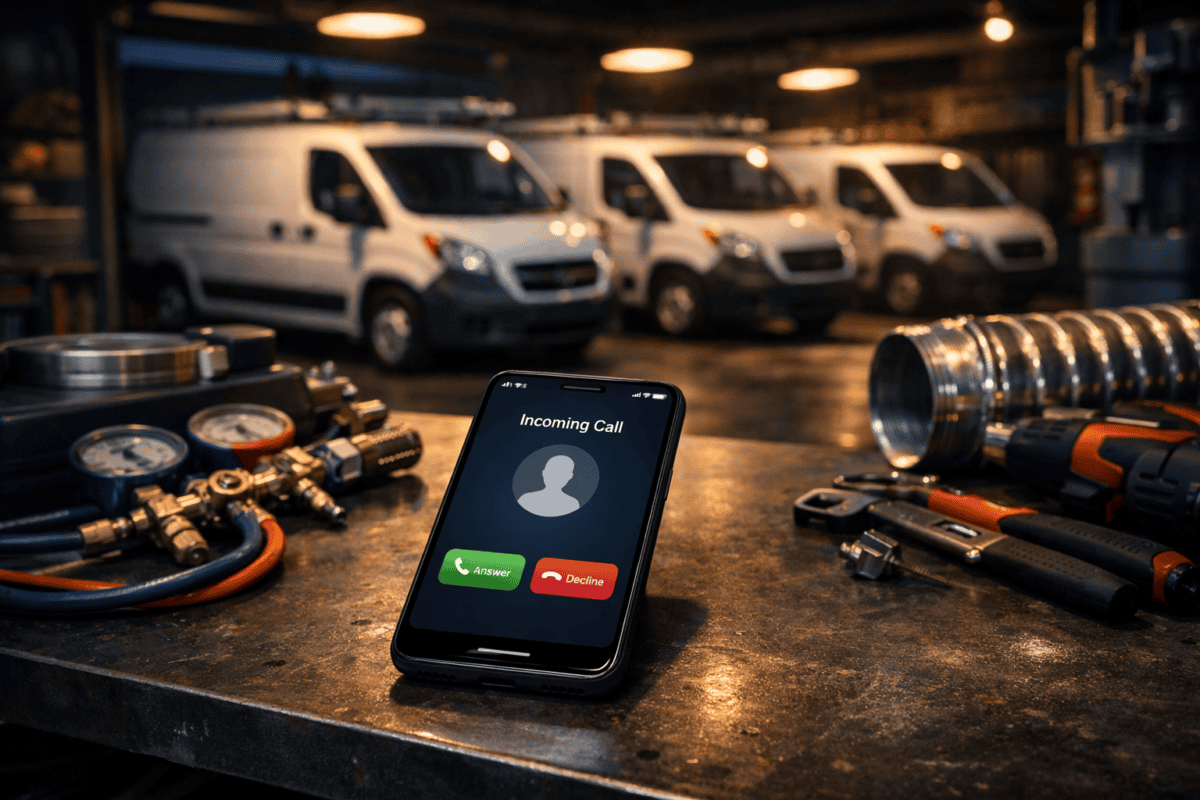
Here’s the hard truth: every missed call is a missed job. And in the HVAC world, where half your calls come in after hours or while you’re elbow-deep in a furnace install, that adds up fast. The most profitable shops figured this out years ago. They answer every call, every time — even at 9 PM on a Saturday.
That doesn’t mean the owner is glued to his phone. It means they’ve built a system that captures every lead, qualifies it, and gets it on the books without burning out the person running the business. They understand that the phone is the front door to revenue, and leaving it unattended is like locking customers out.
If you’re still sending calls to voicemail after 5 PM or on weekends, you’re handing jobs to the competition. It’s that simple.
They Know Their Numbers
Profitable HVAC shops don’t just track revenue. They track margin, conversion rate, average ticket size, and cost per lead. They know exactly what it costs to book a job and what that job needs to bring in to be worth their time.
This isn’t about being a spreadsheet nerd. It’s about knowing which jobs make you money and which ones just keep you busy. A shop that can’t tell the difference will stay stuck at the same revenue year after year, wondering why they’re working seventy-hour weeks and still breaking even.
The best operators review their numbers weekly. They know their close rate on service calls versus replacements. They know their no-show rate. They know which lead sources actually pay off. And they make decisions based on data, not gut feeling.
They Prioritize Speed to Lead
When someone calls an HVAC shop, they’re usually calling three or four others at the same time. The first one to respond and get on the calendar wins. Profitable shops know this, and they’ve built their operations around speed.
That means returning calls within minutes, not hours. It means booking jobs on the first contact, not playing phone tag for two days. It means having a system in place that moves fast even when the owner is on a roof or stuck in traffic.
Slow response kills deals. If you’re waiting until the end of the day to return calls, you’ve already lost half of them. The most profitable shops treat every inbound lead like it’s on a timer — because it is.
They Don’t Try to Do Everything Themselves
Here’s where a lot of shop owners get stuck. They wear every hat — technician, dispatcher, bookkeeper, salesperson, customer service rep. And they wonder why they can’t scale past a certain point.
The most profitable HVAC businesses figured out early that the owner’s time is the most expensive resource in the shop. If you’re spending your day answering phones, quoting jobs, and shuffling schedules, you’re not doing the high-value work that actually grows the business.
That doesn’t mean you need to hire a full office staff tomorrow. It means you need to get smart about where your time goes and what can be handled by someone — or something — else. The shops that grow are the ones that free up the owner to focus on strategy, sales, and leadership instead of playing receptionist.
They Have Systems That Work Without Them
A profitable HVAC business runs like a machine. Calls get answered. Jobs get booked. Technicians know where to go and what to do. Customers get follow-ups. invoices get sent. And none of it requires the owner to micromanage every step.
That’s the difference between a business and a job. If the shop falls apart every time you take a day off, you don’t own a business — you’re just self-employed. The best operators build systems that keep the wheels turning whether they’re in the office, on a job site, or on vacation.
One of the biggest systems gaps? Call handling. Most small HVAC shops lose a third of their leads simply because no one picks up the phone. The profitable ones solved this years ago — not by hiring expensive office staff, but by making sure every call gets handled, qualified, and routed in real time.
They Treat After-Hours Calls Like Gold
Emergency calls are some of the highest-margin work in HVAC. A no-heat call at 10 PM on a Tuesday is a customer who needs help now and is willing to pay for it. But if you’re not answering after hours, that call goes to whoever picks up first.
Profitable shops don’t let those calls slip. They have a way to capture them, triage them, and get a tech dispatched without the owner losing sleep or hiring a night shift. They know that after-hours availability isn’t a nice-to-have — it’s a competitive advantage.
And here’s the thing: most of those after-hours calls aren’t even emergencies. A lot of them are regular service requests from people who work during the day and can only call at night. If you’re not answering, you’re leaving money on the table.
The Missing Piece: Handling Every Call Without Hiring Anyone
So how do the most profitable HVAC shops answer every call, move fast on leads, and keep the owner focused on running the business instead of playing receptionist?
They’ve figured out that you don’t need a full-time office person to handle calls around the clock. You need a system that works like one. That’s where Wrenchy comes in.
Wrenchy is built specifically for HVAC shops. He answers every call — day, night, weekends, holidays. He qualifies the lead, asks the right questions, and books the job directly into your calendar. If it’s an emergency, he routes it to the right person and notifies you in real time. If it’s a quote request, he handles it. If it’s a callback, he logs it.
He’s not a voicemail system. He’s not a call center. He’s a working member of your shop who never takes a day off and never misses a lead. And because he’s handling the phones, you’re free to do the work that actually grows your business.
The most profitable HVAC shops don’t miss calls. They don’t lose leads after hours. And they don’t burn out trying to be everywhere at once. They’ve built systems that let them scale without adding overhead. Wrenchy is one of those systems.
Put Wrenchy to Work in Your Shop
If you’re tired of missing calls, losing leads, and watching jobs go to the competition because you can’t answer the phone at 8 PM, it’s time to let WrenchBot AI handle it for you.
You can try Wrenchy free for 14 days — no credit card required. Most shops are up and running within 24 hours. He’ll answer your calls, book your jobs, and route your emergencies while you stay focused on the work that makes you money.
Stop losing jobs after hours. Let your phone work for you even when you’re on a ladder. Get started at WrenchBot AI and see how the most profitable shops stay ahead.